Shop


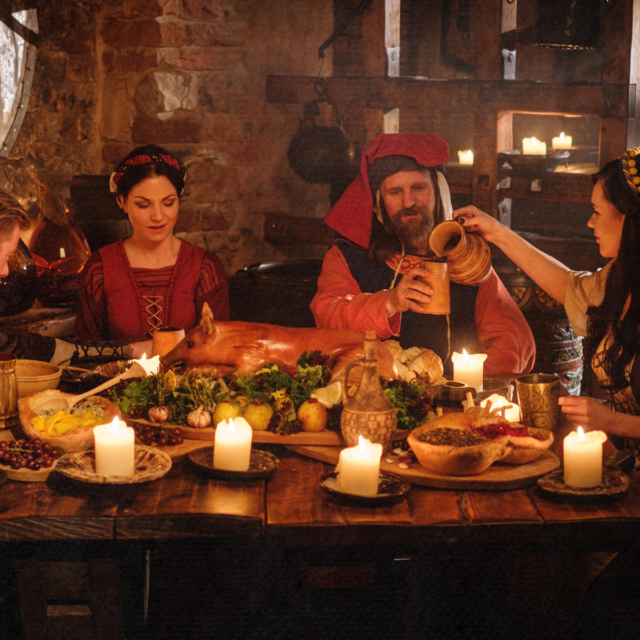
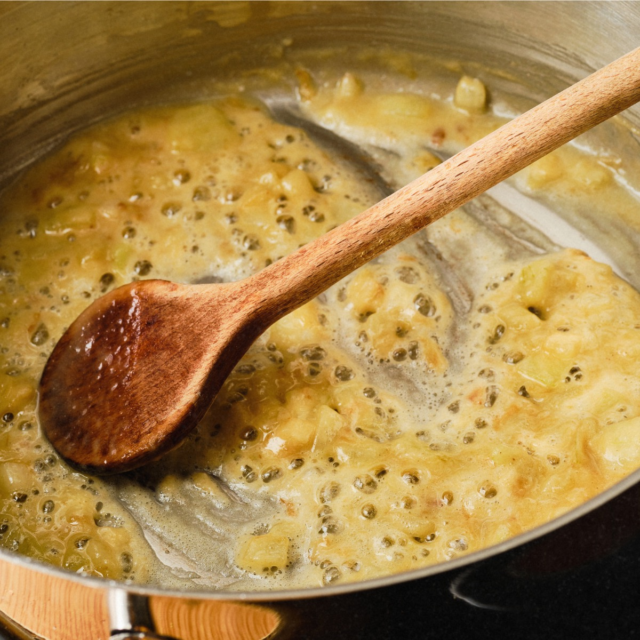
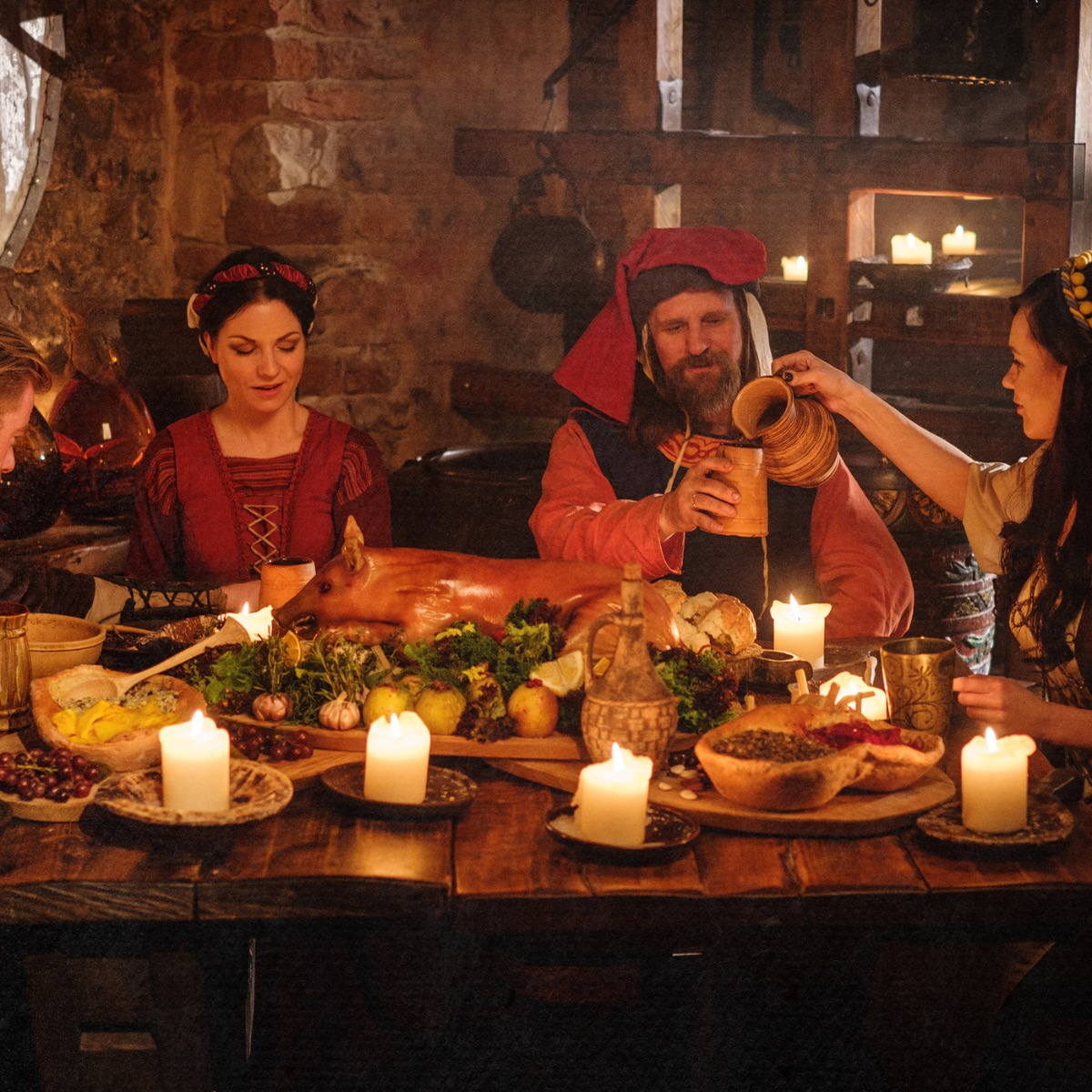
Did you know? Medieval English royalty ate their porridge with porpoise?
"Furmenty" — a luxurious wheat porridge boiled in milk and spiced with cinnamon — was traditionally served alongside porpoise meat at grand feasts. The combination was considered the ultimate delicacy until porpoises gained legal protection in the 14th century.
Sometimes I think about how dramatically our food culture has shifted, and I'm grateful we've moved past eating sea mammals with our breakfast grains. 🌊
What's the strangest historical food combination you've heard of? Link in bio for more culinary learning.
#FoodHistory #MedievalCooking #ObscureFoodFacts #CulinaryHistory #TheNoms #FoodEducation #HistoricalRecipes
"Furmenty" — a luxurious wheat porridge boiled in milk and spiced with cinnamon — was traditionally served alongside porpoise meat at grand feasts. The combination was considered the ultimate delicacy until porpoises gained legal protection in the 14th century.
Sometimes I think about how dramatically our food culture has shifted, and I'm grateful we've moved past eating sea mammals with our breakfast grains. 🌊
What's the strangest historical food combination you've heard of? Link in bio for more culinary learning.
#FoodHistory #MedievalCooking #ObscureFoodFacts #CulinaryHistory #TheNoms #FoodEducation #HistoricalRecipes
2 weeks ago
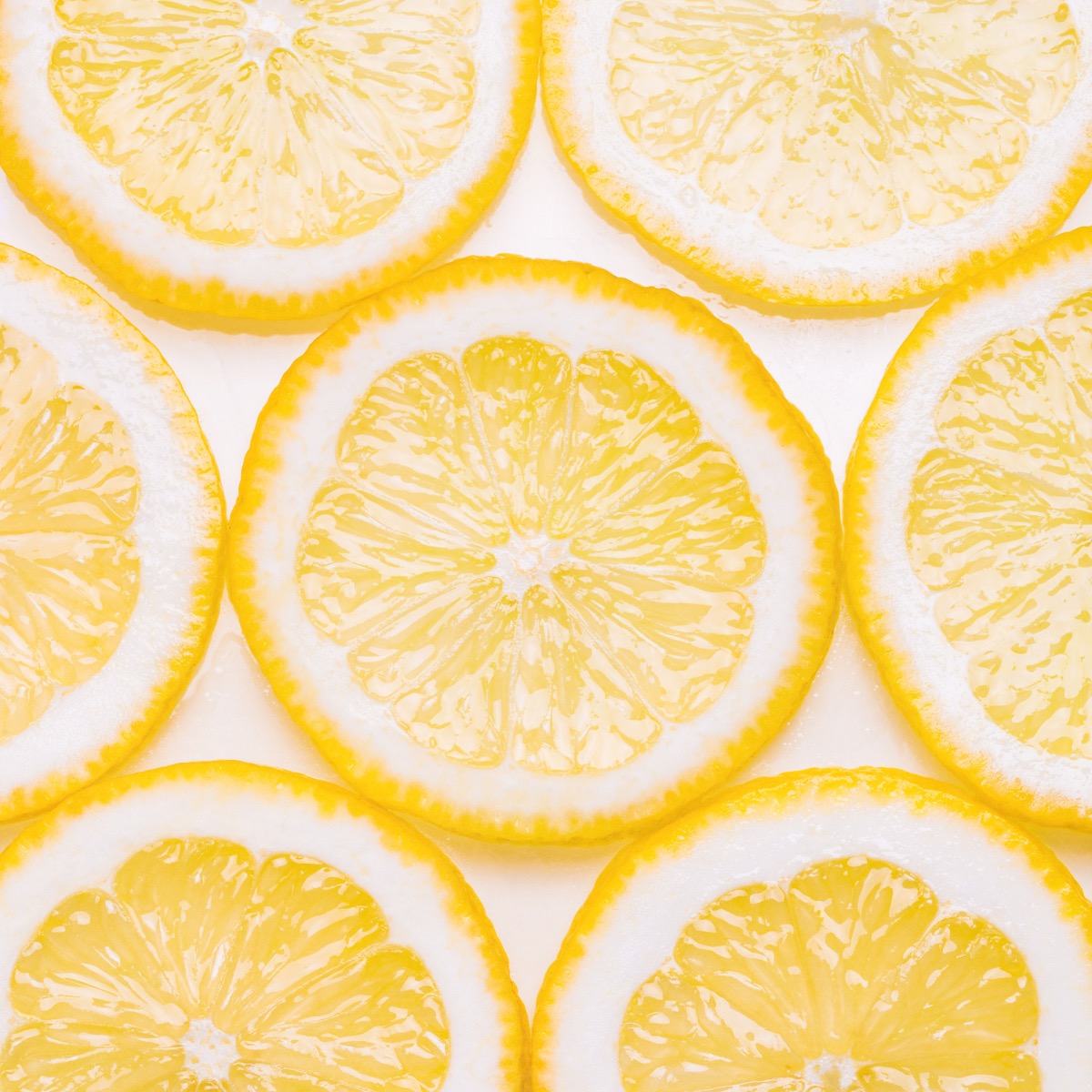
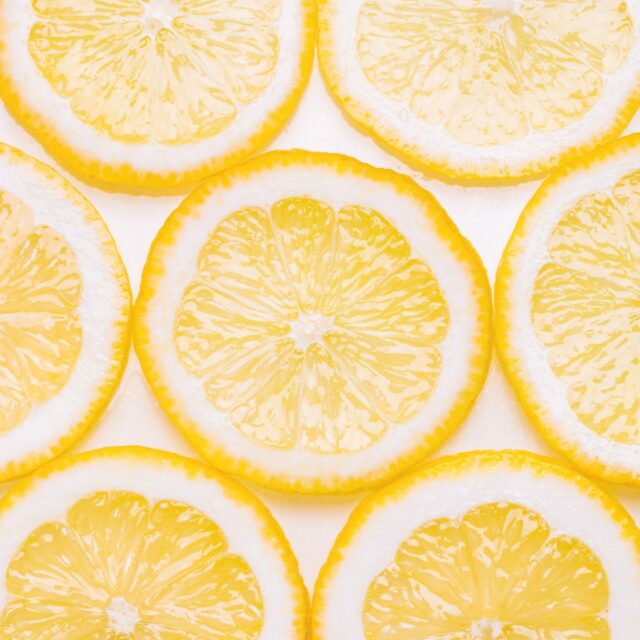
The secret ingredient that makes everything taste better? Acid. 🍋
Whether it's a squeeze of lemon, a splash of vinegar, or wine in your braising liquid, acids wake up your palate, cut through richness, and bring dishes to life. This comprehensive guide covers the science, the techniques, and how different cultures around the world use acid to create balance.
Learn which acids work best for different dishes, how to fix common cooking problems, and why your food might be missing that special something. From citrus to vinegar to fermented foods—master the art of brightening your cooking.
Link on the-noms.com/learn or on LinkTree.
#CookingTips #KitchenSkills #AcidsInCooking #TheNoms #CookingScience #CulinaryTechniques #HomeCooking #FoodScience #LearnToCook
Whether it's a squeeze of lemon, a splash of vinegar, or wine in your braising liquid, acids wake up your palate, cut through richness, and bring dishes to life. This comprehensive guide covers the science, the techniques, and how different cultures around the world use acid to create balance.
Learn which acids work best for different dishes, how to fix common cooking problems, and why your food might be missing that special something. From citrus to vinegar to fermented foods—master the art of brightening your cooking.
Link on the-noms.com/learn or on LinkTree.
#CookingTips #KitchenSkills #AcidsInCooking #TheNoms #CookingScience #CulinaryTechniques #HomeCooking #FoodScience #LearnToCook
2 weeks ago
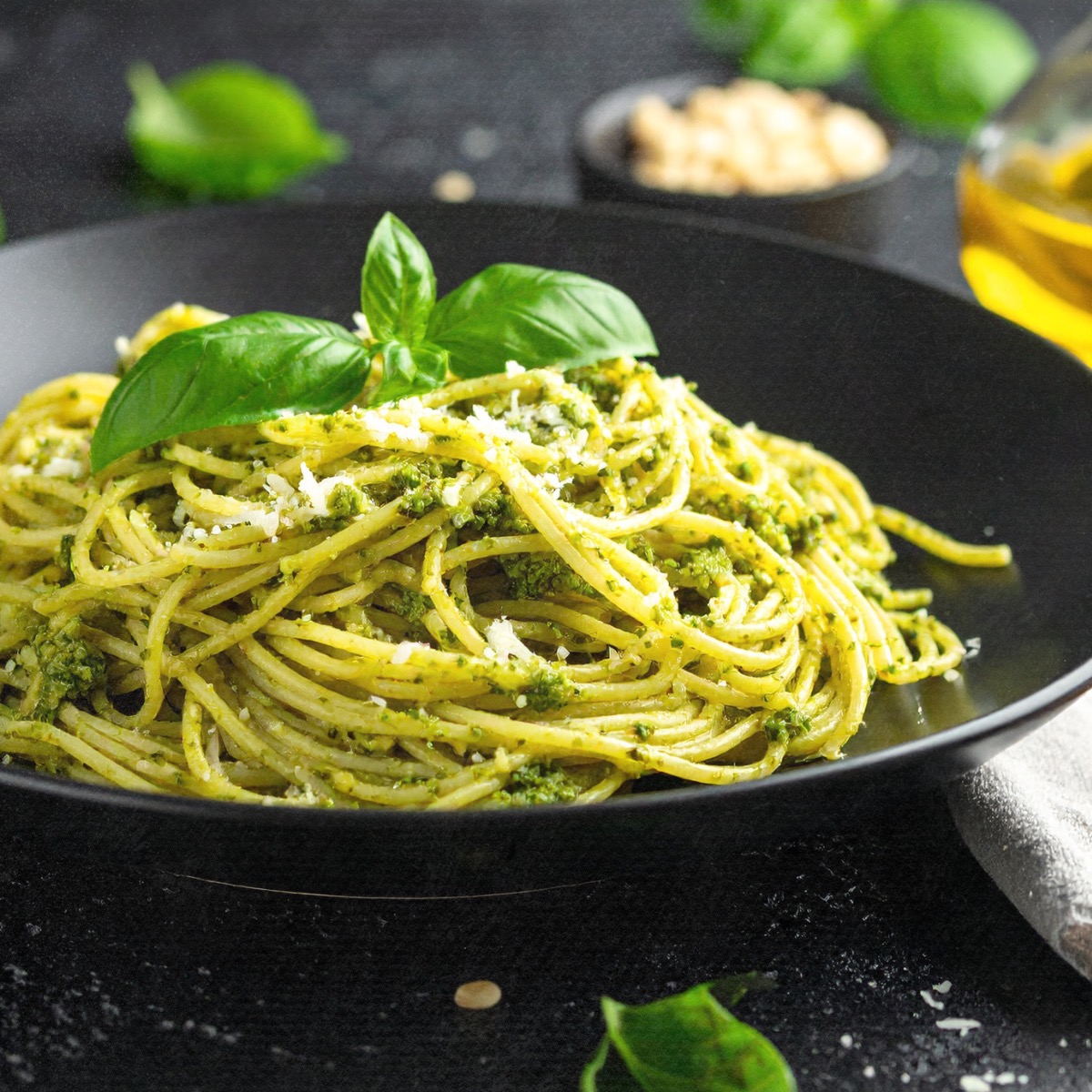
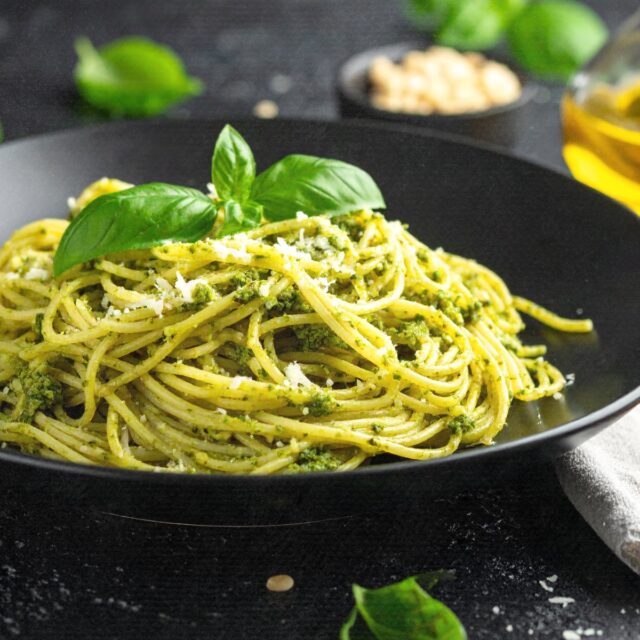
Italian pasta sauces aren't just recipes—they're inheritance, geography, and identity reduced to a pot and tossed with pasta. 🇮🇹
This comprehensive guide covers everything from quick marinara to slow-simmered ragù Napoletano, from Roman carbonara (no cream!) to Sicilian pesto Trapanese. Learn the regional traditions, authentic techniques, and why certain pasta pairings actually matter.
Whether you're making weeknight aglio e olio or Sunday afternoon ragù, you're participating in traditions refined over centuries. Link on the-noms.com/recipes or in LinkTree.
#ItalianCooking #PastaSauces #AuthenticItalian #ItalianFood #Carbonara #Bolognese #Marinara #TheNoms #CookingGuide #ItalianCuisine
This comprehensive guide covers everything from quick marinara to slow-simmered ragù Napoletano, from Roman carbonara (no cream!) to Sicilian pesto Trapanese. Learn the regional traditions, authentic techniques, and why certain pasta pairings actually matter.
Whether you're making weeknight aglio e olio or Sunday afternoon ragù, you're participating in traditions refined over centuries. Link on the-noms.com/recipes or in LinkTree.
#ItalianCooking #PastaSauces #AuthenticItalian #ItalianFood #Carbonara #Bolognese #Marinara #TheNoms #CookingGuide #ItalianCuisine
2 weeks ago
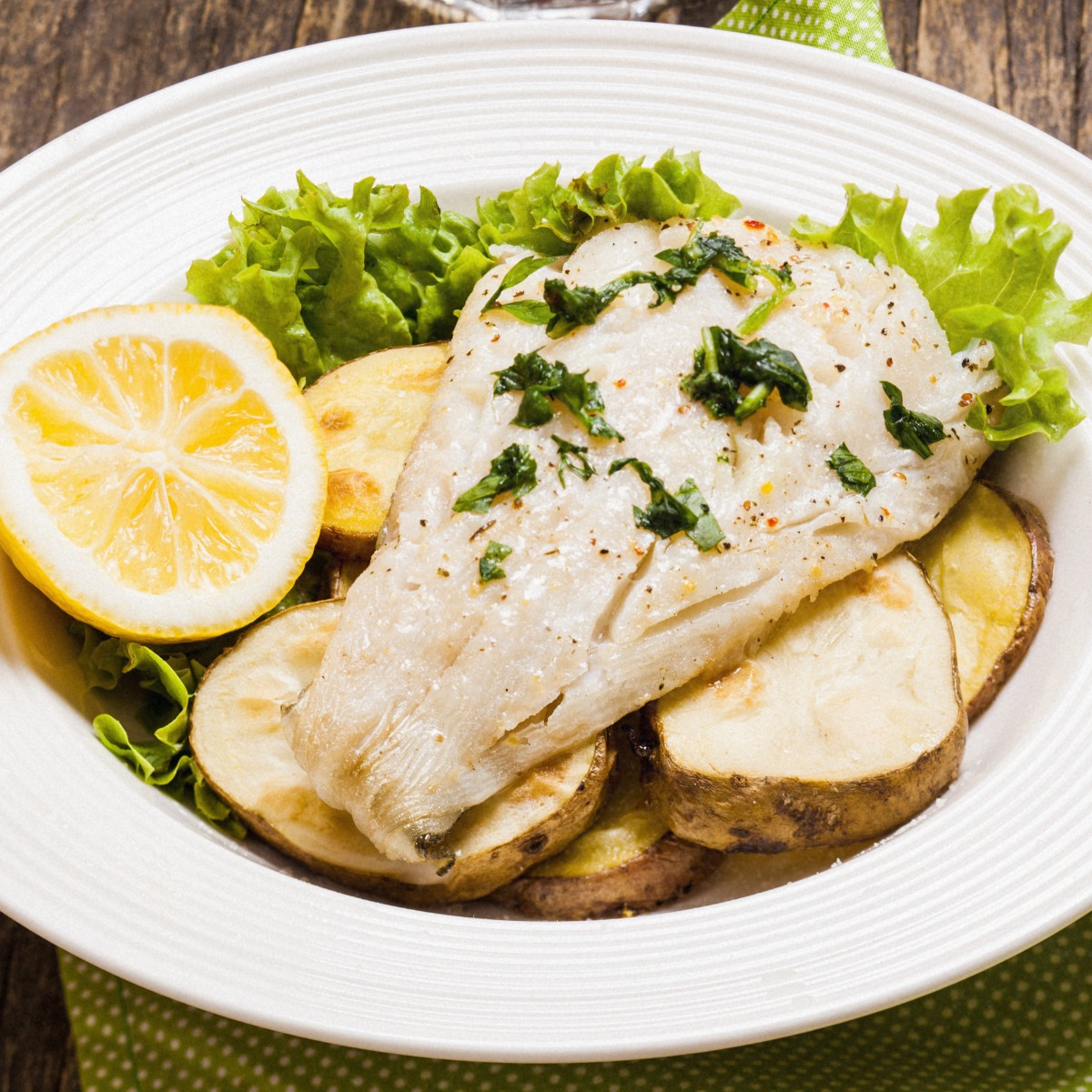
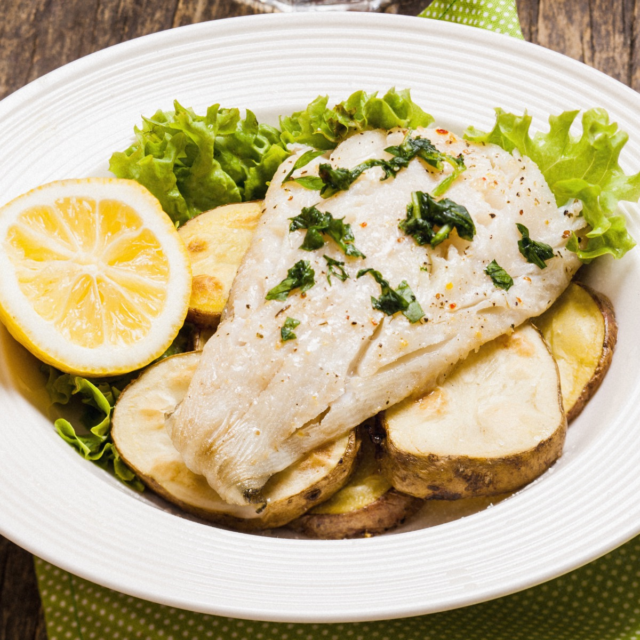
There's a reason they call it "Cape Cod" 🐟 This historic New England fish deserves the spotlight, and pan-searing with brown butter, lemon, and capers is the perfect way to honor it.
Crispy outside, flaky inside, finished with nutty brown butter sauce—this is weeknight elegance at its finest. Cod or haddock work beautifully here!
Ready in under 20 minutes. Link on the-noms.com/recipes or LinkTree in bio.
#PanSearedCod #BrownButter #NewEnglandCooking #FreshSeafood #WeekNightDinner #HomeCooking #TheNoms #SeafoodRecipe
Crispy outside, flaky inside, finished with nutty brown butter sauce—this is weeknight elegance at its finest. Cod or haddock work beautifully here!
Ready in under 20 minutes. Link on the-noms.com/recipes or LinkTree in bio.
#PanSearedCod #BrownButter #NewEnglandCooking #FreshSeafood #WeekNightDinner #HomeCooking #TheNoms #SeafoodRecipe
2 weeks ago
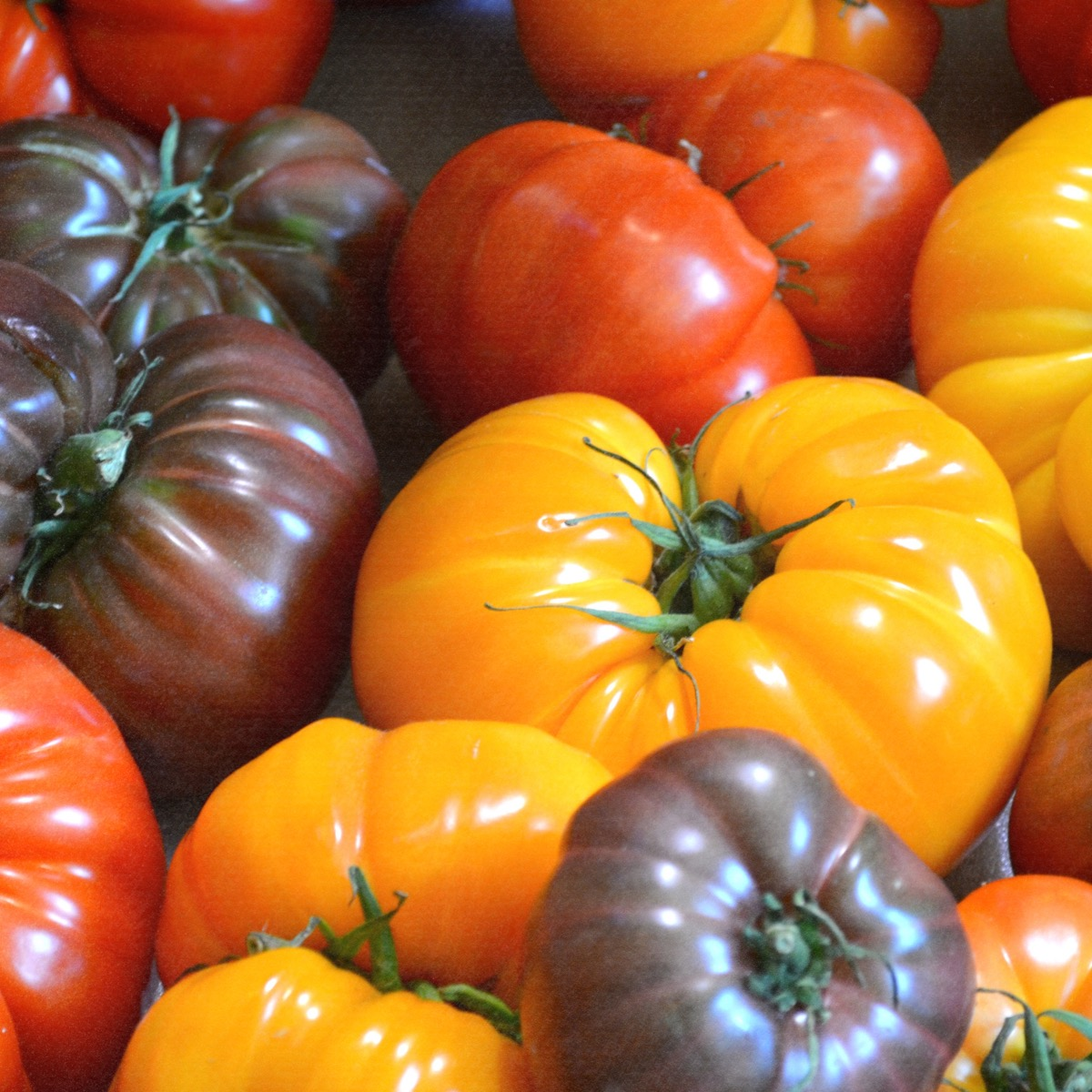
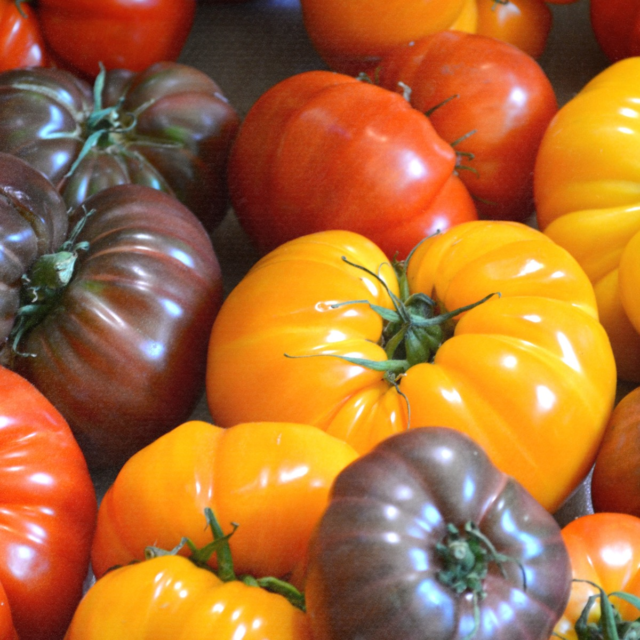
The story of tomatoes is one of the most fascinating journeys in culinary history 🍅✨
For 8,000 years, this humble fruit traveled from the Andean highlands through Mesoamerica, faced suspicion in Europe (they thought it was poisonous!), and eventually became the foundation of cuisines worldwide.
In our latest Kitchen 101 guide, we explore everything about tomatoes—their ancient origins with the Aztecs, the science behind their umami-rich flavor, and how to choose the right variety for every cooking need.
You'll discover why heirloom tomatoes taste different from supermarket ones, what makes San Marzanos perfect for sauce, and the techniques that unlock their full potential in your kitchen.
This isn't just about cooking—it's about understanding the cultural and botanical journey of an ingredient we often take for granted.
Link in LinkTree 💚
#Tomatoes #FoodHistory #CookingGuide #KitchenBasics #HomeCoking #FoodScience #HeirloomTomatoes #LearnToCook #TheNoms #FoodBlog #CookingTips #RecipeIdeas #FoodEducation #FromScratch
For 8,000 years, this humble fruit traveled from the Andean highlands through Mesoamerica, faced suspicion in Europe (they thought it was poisonous!), and eventually became the foundation of cuisines worldwide.
In our latest Kitchen 101 guide, we explore everything about tomatoes—their ancient origins with the Aztecs, the science behind their umami-rich flavor, and how to choose the right variety for every cooking need.
You'll discover why heirloom tomatoes taste different from supermarket ones, what makes San Marzanos perfect for sauce, and the techniques that unlock their full potential in your kitchen.
This isn't just about cooking—it's about understanding the cultural and botanical journey of an ingredient we often take for granted.
Link in LinkTree 💚
#Tomatoes #FoodHistory #CookingGuide #KitchenBasics #HomeCoking #FoodScience #HeirloomTomatoes #LearnToCook #TheNoms #FoodBlog #CookingTips #RecipeIdeas #FoodEducation #FromScratch
3 weeks ago
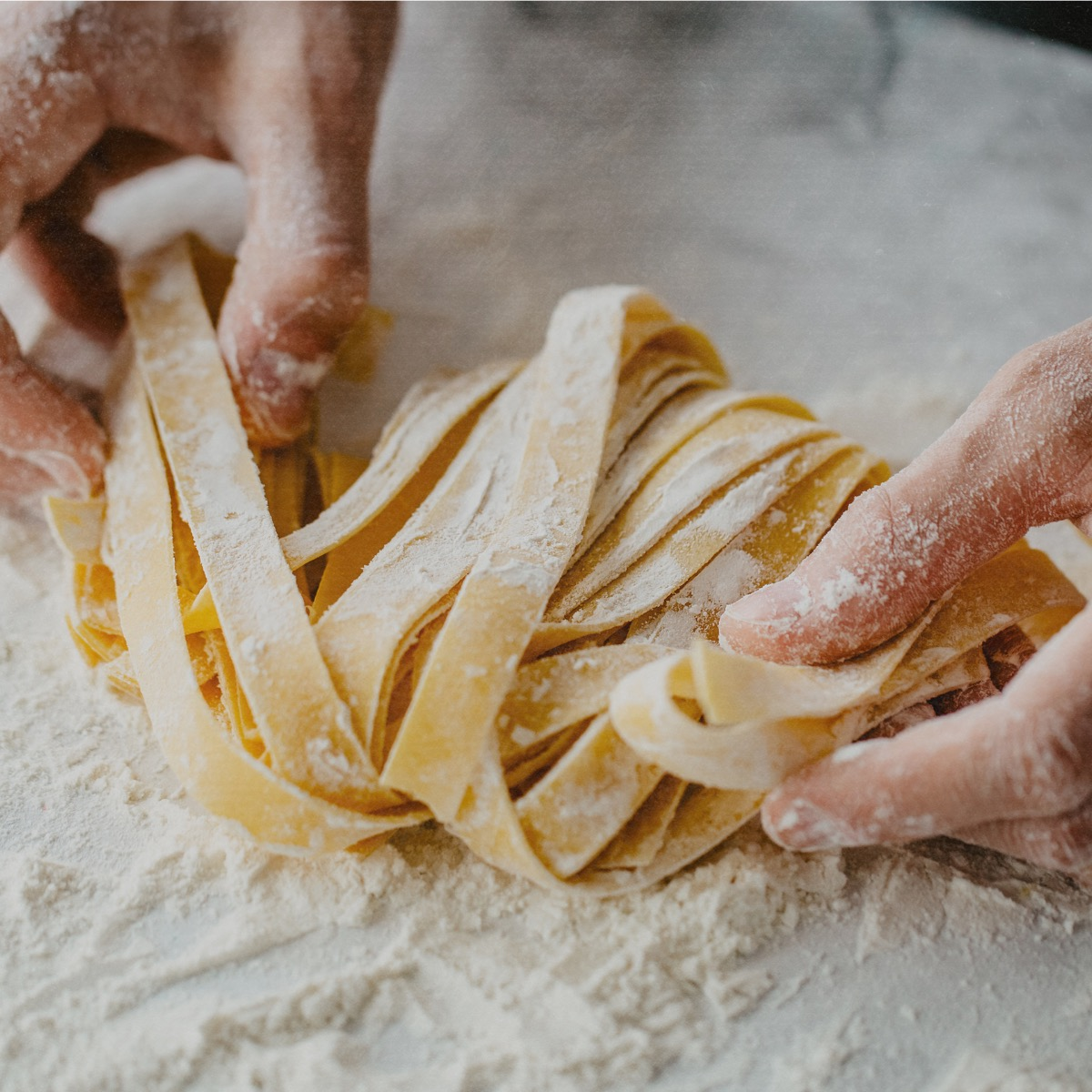
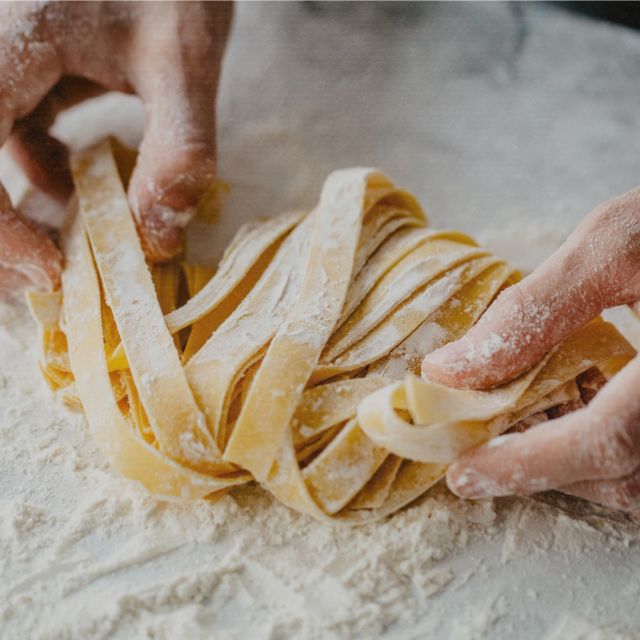
That sound when you drain pasta – water rushing, steam billowing, perfectly cooked noodles settling in the colander – it connects millions of meals across centuries through one simple equation: grain, water, heat, and time. ✨
This complete pasta guide explores everything that makes pasta work:
This complete pasta guide explores everything that makes pasta work:
The durum wheat fields of southern Italy
Why semolina creates better pasta than all-purpose flour
The science behind al dente (and why it matters)
How bronze-die pasta differs from Teflon-die
The logic behind 300+ pasta shapes
Gluten-free pasta that actually works
How to finish pasta like restaurants do
Pasta is deceptively simple, but within that simplicity lives centuries of agricultural science, chemical transformation, and culinary wisdom. Understanding it means understanding why certain shapes exist, how gluten networks form, and why some combinations just work while others fall flat.
Link in Linktree or on the website 🍝
3 weeks ago
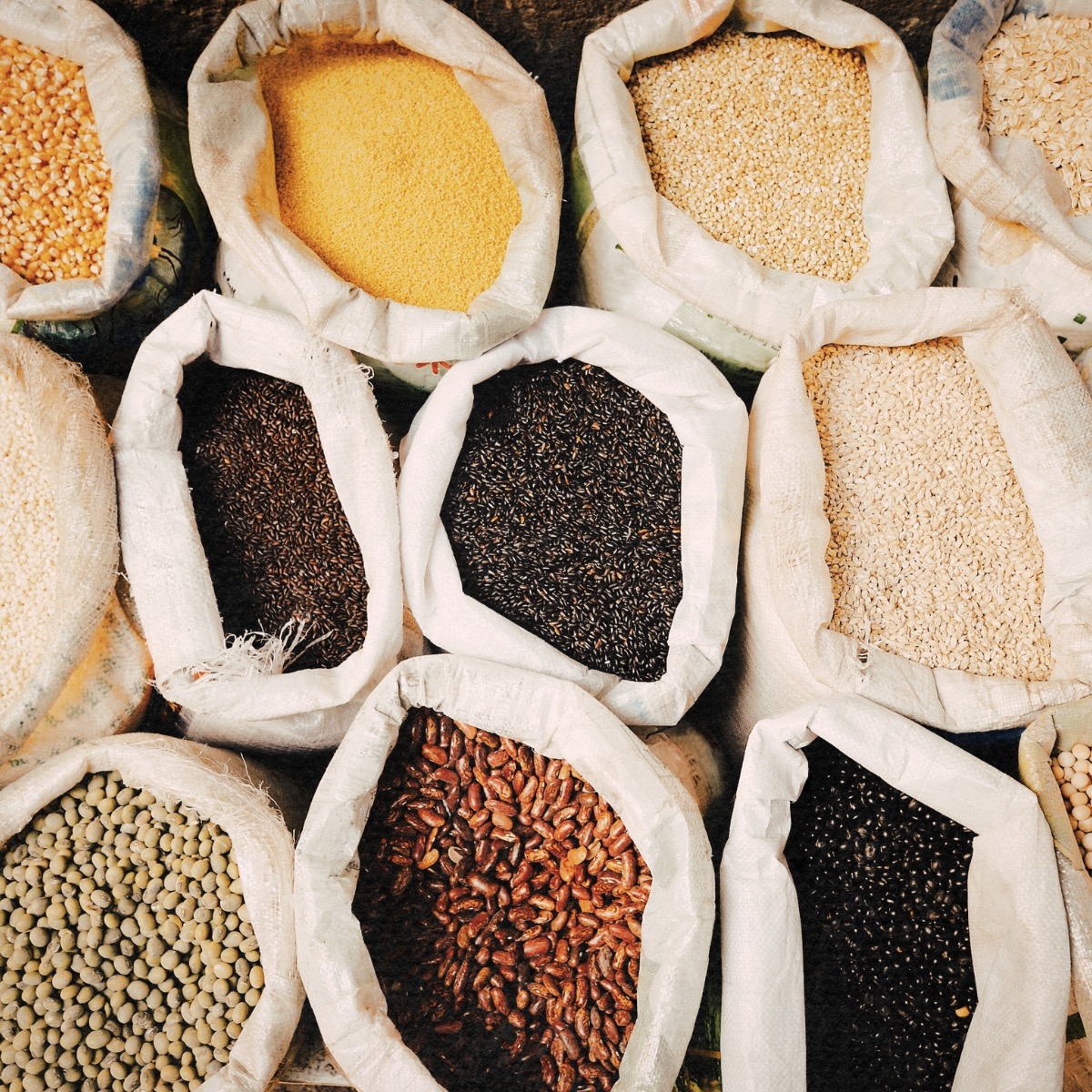
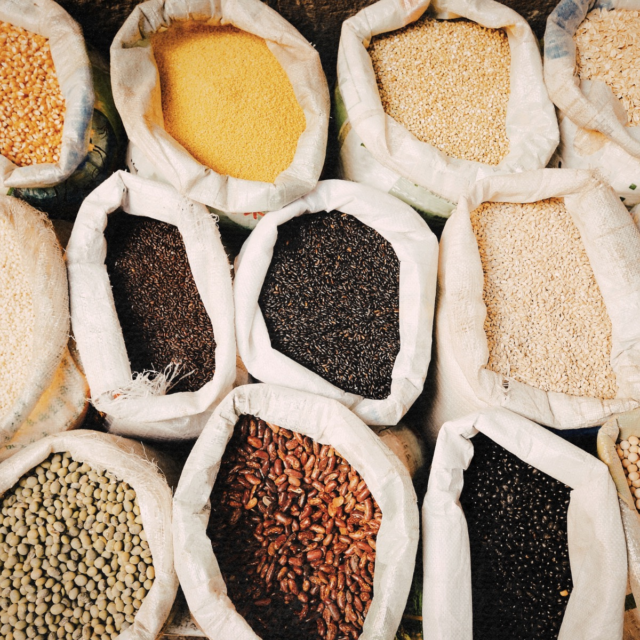
Walk into a New England farmhouse kitchen from a hundred years ago and you'd find grains everywhere—cornmeal for johnnycakes, wheat berries soaking for porridge, rye flour for dense winter bread. Our ancestors understood something we're just remembering: grains are the foundation of human civilization.
Understanding grains means understanding the science of why some get fluffy and others get sticky. It's about starch—specifically amylose and amylopectin. Grains high in amylose (like basmati rice) cook up fluffy with separate grains. Grains high in amylopectin (like sushi rice or arborio) get sticky and clumpy—perfect for risotto or rice balls.
This comprehensive guide covers rice (the grain that feeds half the world), wheat (that built Western civilization), corn (the grain of the Americas), plus oats, barley, rye, quinoa, amaranth, buckwheat, millet, farro, freekeh, and bulgur.
Learn the science behind cooking each grain perfectly, storage tips to prevent rancidity and pests, the cultural significance of grains that shaped entire civilizations, and why the modern grain renaissance matters for agricultural diversity and flavor.
Every major civilization built itself around a grain. The grain shaped not just cuisine but culture, religion, and daily life. Understanding these connections enriches our appreciation of both food and history.
Complete guide on the blog—from ancient seeds to modern tables ✨
Link in LinkTree or search on website!
#grains #ancientgrains #rice #wheat #corn #cookingtechnique #foodscience #kitchenskills #cookinglessons #homecooking #wholegrains
Understanding grains means understanding the science of why some get fluffy and others get sticky. It's about starch—specifically amylose and amylopectin. Grains high in amylose (like basmati rice) cook up fluffy with separate grains. Grains high in amylopectin (like sushi rice or arborio) get sticky and clumpy—perfect for risotto or rice balls.
This comprehensive guide covers rice (the grain that feeds half the world), wheat (that built Western civilization), corn (the grain of the Americas), plus oats, barley, rye, quinoa, amaranth, buckwheat, millet, farro, freekeh, and bulgur.
Learn the science behind cooking each grain perfectly, storage tips to prevent rancidity and pests, the cultural significance of grains that shaped entire civilizations, and why the modern grain renaissance matters for agricultural diversity and flavor.
Every major civilization built itself around a grain. The grain shaped not just cuisine but culture, religion, and daily life. Understanding these connections enriches our appreciation of both food and history.
Complete guide on the blog—from ancient seeds to modern tables ✨
Link in LinkTree or search on website!
#grains #ancientgrains #rice #wheat #corn #cookingtechnique #foodscience #kitchenskills #cookinglessons #homecooking #wholegrains
4 weeks ago
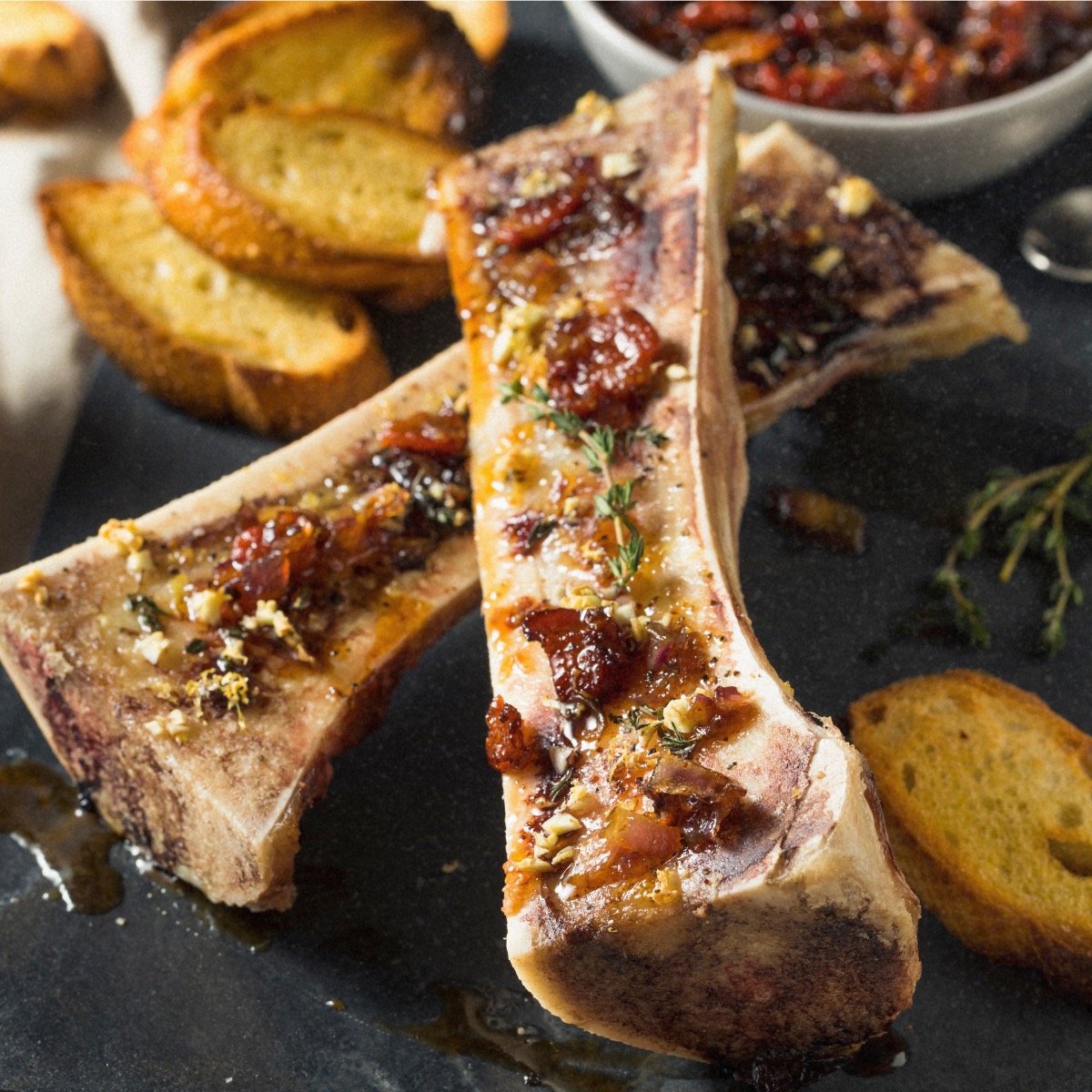
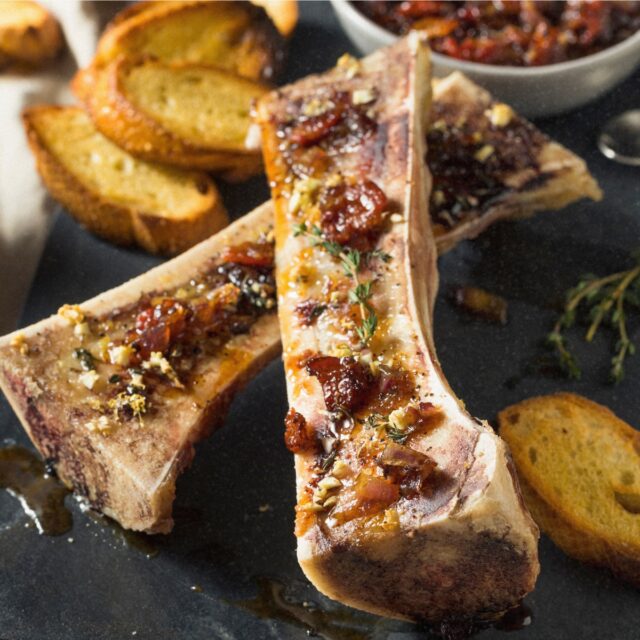
There's something deeply satisfying about eating bone marrow—it feels primal and luxurious at the same time. This ancient food, once the prize of our hunter-gatherer ancestors, has been rediscovered by modern restaurants as the ultimate indulgence.
When you roast marrow bones until the fat inside turns silky and butter-soft, then finish with bright, herbaceous gremolata, you get one of the most decadent yet surprisingly simple appetizers you can make.
Here's what might surprise you: this recipe requires exactly three ingredients for the marrow itself (bones, salt, pepper) and maybe 15 minutes of actual work. What you get is a dish that tastes like you spent hours in a Michelin-starred kitchen.
The gremolata is the secret weapon. Traditional Italian gremolata is just parsley, lemon zest, and garlic, but I've expanded it with fresh herbs and shallot to create something that cuts through the richness of the marrow perfectly. The brightness is essential—without it, bone marrow can feel heavy. With it, every bite is balanced and addictive.
The technique: high heat (450°F), short time (15-20 minutes), cut-side up. You want the marrow soft and wobbly but still holding its shape in the bone. Serve immediately with crusty toasted bread, topped with gremolata and flaky sea salt.
This makes an unforgettable first course that signals "this meal is going to be special." Perfect for winter dinner parties when you want something convivial and celebratory.
Recipe link in LinkTree or Searchable on Website 🍷 #bonemarrow #dinnerparty #entertaining #appetizer #frenchcooking #gremolata #specialoccasion #homecooking #restaurantquality #luxuryfood
When you roast marrow bones until the fat inside turns silky and butter-soft, then finish with bright, herbaceous gremolata, you get one of the most decadent yet surprisingly simple appetizers you can make.
Here's what might surprise you: this recipe requires exactly three ingredients for the marrow itself (bones, salt, pepper) and maybe 15 minutes of actual work. What you get is a dish that tastes like you spent hours in a Michelin-starred kitchen.
The gremolata is the secret weapon. Traditional Italian gremolata is just parsley, lemon zest, and garlic, but I've expanded it with fresh herbs and shallot to create something that cuts through the richness of the marrow perfectly. The brightness is essential—without it, bone marrow can feel heavy. With it, every bite is balanced and addictive.
The technique: high heat (450°F), short time (15-20 minutes), cut-side up. You want the marrow soft and wobbly but still holding its shape in the bone. Serve immediately with crusty toasted bread, topped with gremolata and flaky sea salt.
This makes an unforgettable first course that signals "this meal is going to be special." Perfect for winter dinner parties when you want something convivial and celebratory.
Recipe link in LinkTree or Searchable on Website 🍷 #bonemarrow #dinnerparty #entertaining #appetizer #frenchcooking #gremolata #specialoccasion #homecooking #restaurantquality #luxuryfood
4 weeks ago
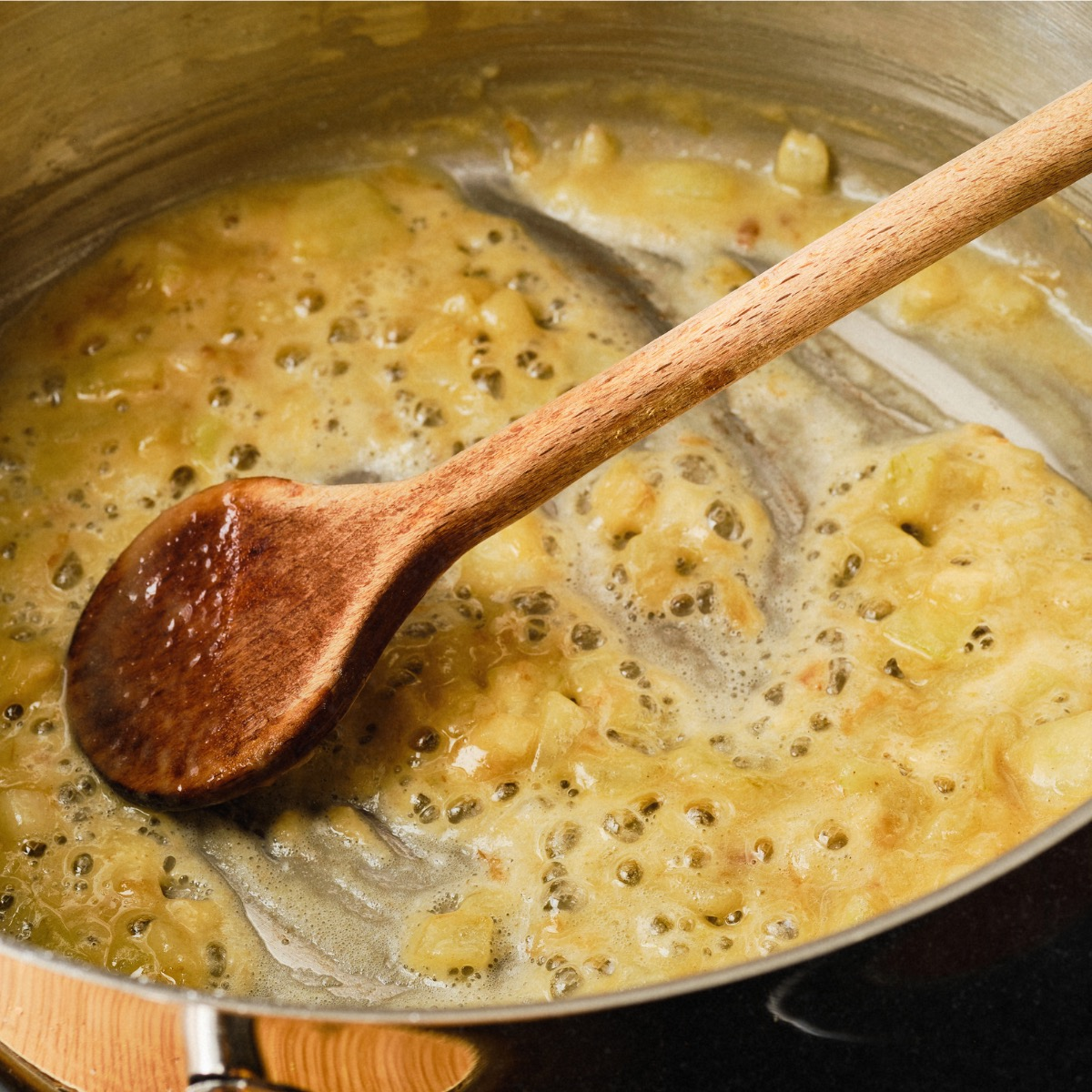
If you've ever wondered why Cajun gumbo tastes so complex or how French sauces get that silky texture, you're about to discover one of cooking's most fundamental techniques. Understanding roux will change how you approach sauces, gravies, and soups forever.
Roux is a cooked mixture of equal parts fat and flour that thickens liquids and adds flavor. At its most basic, it's two ingredients stirred together in a pan, but the magic happens in how long you cook it.
Here's the science: when you cook flour in fat, the fat coats starch granules to prevent clumping, the heat eliminates that raw flour taste, and the Maillard reaction creates hundreds of new flavor compounds. A white roux (2-3 minutes) has maximum thickening power. A dark roux (25-40 minutes) develops deep, toasted, almost chocolatey notes but loses 75% of its thickening ability.
The guide covers four types of roux—white for béchamel and cream soups, blonde for velouté and gravies, brown for onion soup and classic gumbo, and dark for traditional Cajun dishes. Plus detailed techniques for incorporating wine with roux, troubleshooting common problems, and the cultural significance from French kitchens to Louisiana bayous.
In Cajun culture, the ability to make a proper dark roux is a point of pride. Families pass down techniques through generations. There's even a saying: "First you make a roux"—meaning that's always step one, the foundation of everything that follows.
Complete guide on the blog ✨
Link in LinkTree
#roux #cookingtechnique #frenchcooking #cajuncooking #sauces #kitchenskills #cookinglessons #gumbo #bechamel #homecooking #culinaryeducation
Roux is a cooked mixture of equal parts fat and flour that thickens liquids and adds flavor. At its most basic, it's two ingredients stirred together in a pan, but the magic happens in how long you cook it.
Here's the science: when you cook flour in fat, the fat coats starch granules to prevent clumping, the heat eliminates that raw flour taste, and the Maillard reaction creates hundreds of new flavor compounds. A white roux (2-3 minutes) has maximum thickening power. A dark roux (25-40 minutes) develops deep, toasted, almost chocolatey notes but loses 75% of its thickening ability.
The guide covers four types of roux—white for béchamel and cream soups, blonde for velouté and gravies, brown for onion soup and classic gumbo, and dark for traditional Cajun dishes. Plus detailed techniques for incorporating wine with roux, troubleshooting common problems, and the cultural significance from French kitchens to Louisiana bayous.
In Cajun culture, the ability to make a proper dark roux is a point of pride. Families pass down techniques through generations. There's even a saying: "First you make a roux"—meaning that's always step one, the foundation of everything that follows.
Complete guide on the blog ✨
Link in LinkTree
#roux #cookingtechnique #frenchcooking #cajuncooking #sauces #kitchenskills #cookinglessons #gumbo #bechamel #homecooking #culinaryeducation
4 weeks ago
No products were found matching your selection.